

3275 Cooley Court Ste. 160
Portage, MI 49024
Phone: 269-366-4445
Fax: 269-216-4106

Free Hearing Aid Guide:
In this ebook you will learn...
- How to know if you are ready for hearing aids
- How to find the right hearing care provider
- A step by step explanation of why a hearing test is important to your hearing healthcare
-
How to find the hearing aid technology that matches your individual lifestyle needs
-
The #1 secret to determine your success as a new hearing aid user
About Us
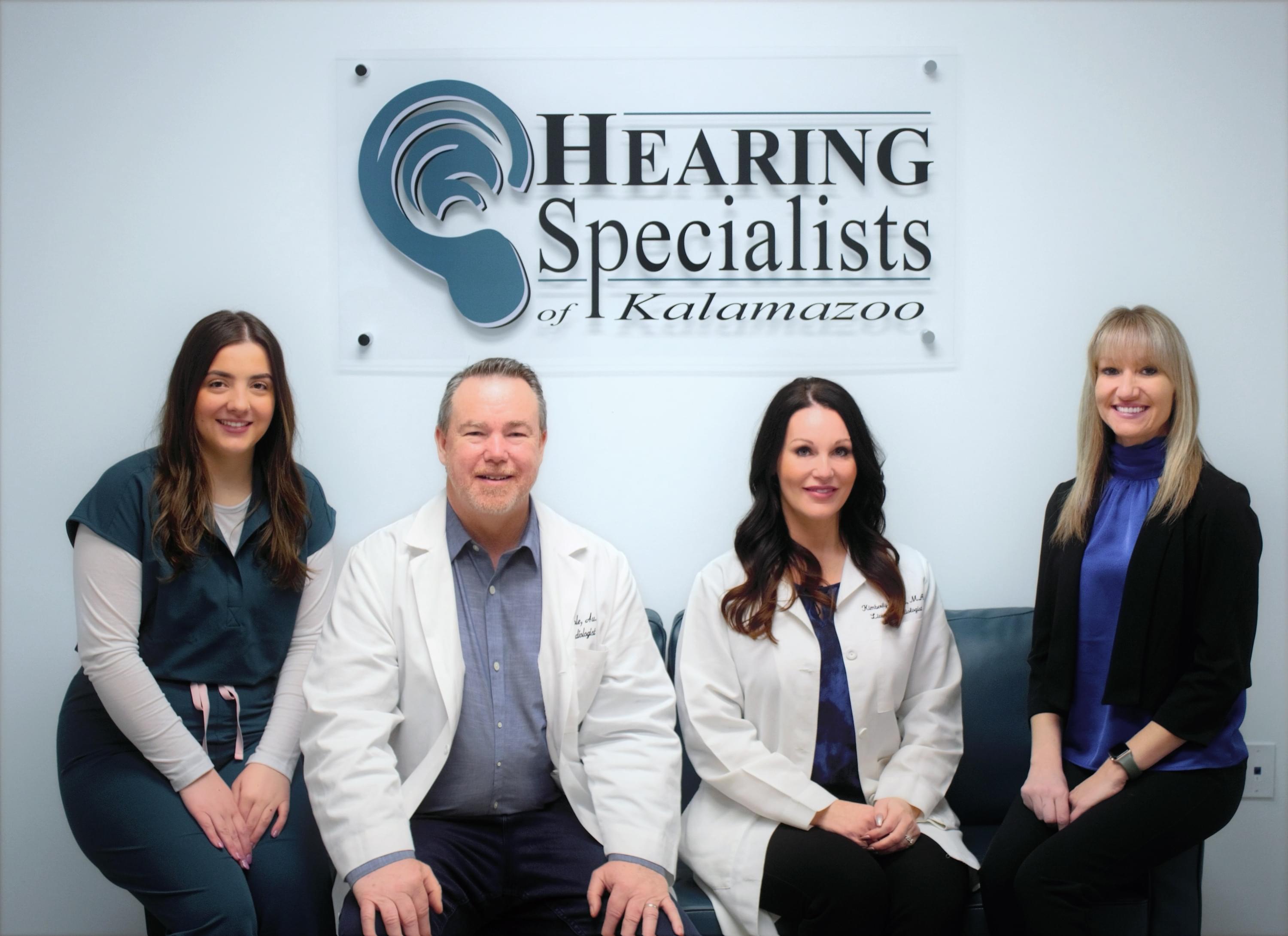
As the leading hearing health clinic in Southwest Michigan, Hearing Specialists of Kalamazoo has made a profound impact with over 40 years of expertise in audiology services.
We're dedicated to providing the best in personalized hearing care for people across all age groups and diverse backgrounds.
Our audiology team champions a patient-centered approach to hearing health, delivering top-tier audiological solutions and fostering strong relationships with our patients. Through individualized attention and compassionate care, we aim to elevate your hearing health experience.
Our audiology professionals are committed to enhancing the quality of life through excellent hearing care. By understanding patient needs, accurately diagnosing hearing impairment, and leveraging state-of-the-art hearing technologies, we provide a wide spectrum of communication solutions tailored to your unique requirements.
Our audiology team champions a patient-centered approach to hearing health, delivering top-tier audiological solutions and fostering strong relationships with our patients. Through individualized attention and compassionate care, we aim to elevate your hearing health experience.
Our audiology professionals are committed to enhancing the quality of life through excellent hearing care. By understanding patient needs, accurately diagnosing hearing impairment, and leveraging state-of-the-art hearing technologies, we provide a wide spectrum of communication solutions tailored to your unique requirements.
We are proud to partner with major hearing device manufacturers to offer a diverse selection of the best hearing aids tailored to your individual needs.
Once your hearing aid has been dispensed, we provide comprehensive counseling and training, guiding you through the crucial stages of acclimating to your new hearing device.
We believe that a strong patient-audiologist relationship is key to successful hearing aid adaptation. We understand that facing hearing loss and transitioning to hearing aids can be daunting, both emotionally and functionally.
Beyond technical proficiency, our team is here to provide education and emotional support for your journey to improved hearing.
We believe that a strong patient-audiologist relationship is key to successful hearing aid adaptation. We understand that facing hearing loss and transitioning to hearing aids can be daunting, both emotionally and functionally.
Beyond technical proficiency, our team is here to provide education and emotional support for your journey to improved hearing.
Our Services
Comprehensive Exams
- Comprehensive Audiograms (hearing tests)
- Tympanograms (middle ear analysis)
- Speech Audiometry (tests of word understanding ability)
-
Testing performed on children and adults
Hearing Aids
- Hearing aid selection, fitting, and adjustment.
- Hearing aid cleaning
-
Hearing aid repair
-
We can program and repair hearing aids from most manufacturers
Custom Ear Molds
- Custom Ear molds
-
Custom swim plugs
-
Custom fit musician's plugs
-
Custom In-the Ear Monitors
-
Custom hearing protection
-
Custom fit earpieces for headphone and ear buds
Batteries and Supplies
- Hearing aid batteries (Buy 2 get 1 free)
-
Replacement domes, thin tubes, and wax filters
-
Dri Aid Kits
Meet Our Team

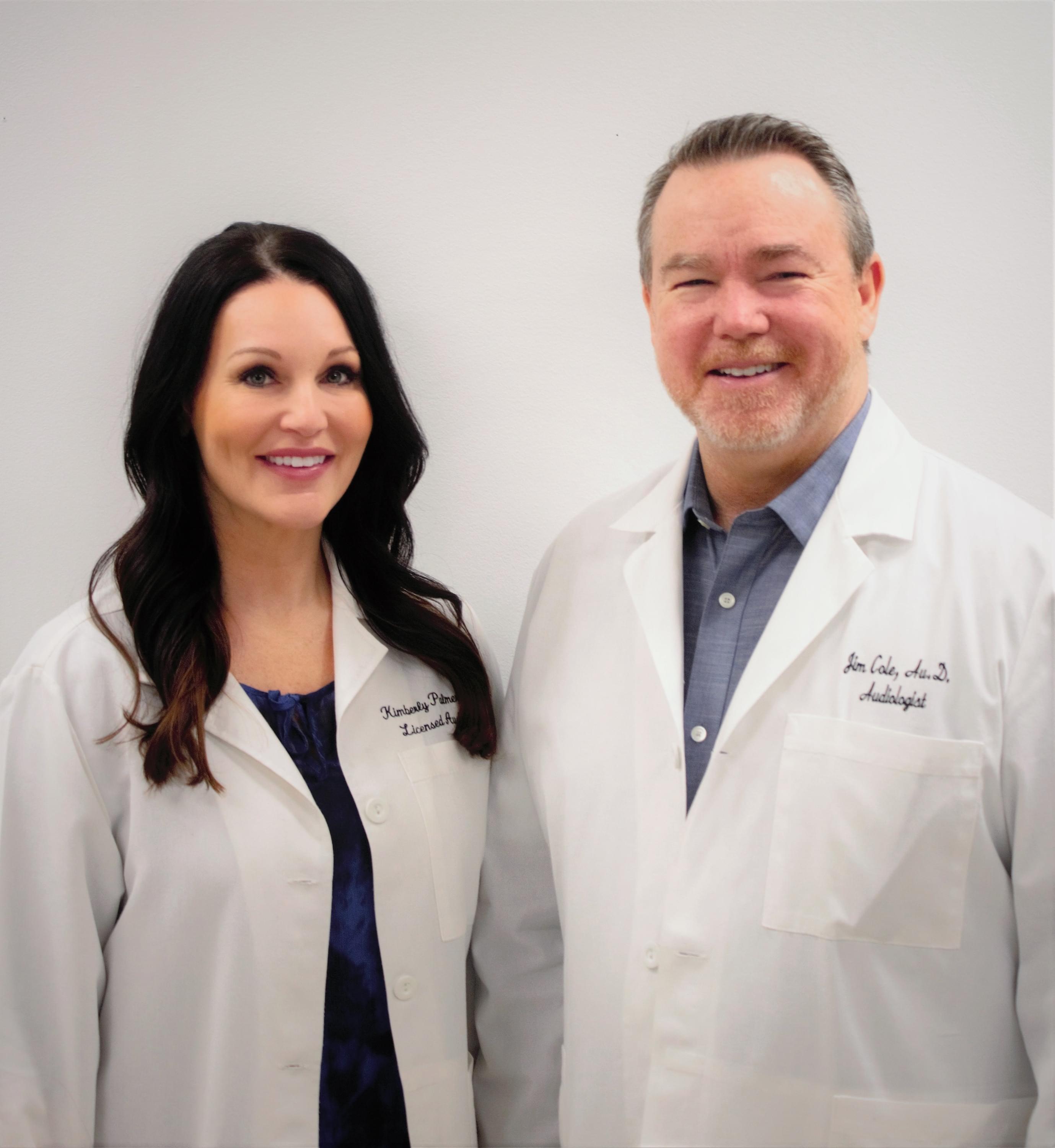
Kim Palmer, M.A., FAAALicensed Audiologist

James P. Cole, Au.D., FAAALicensed Audiologist
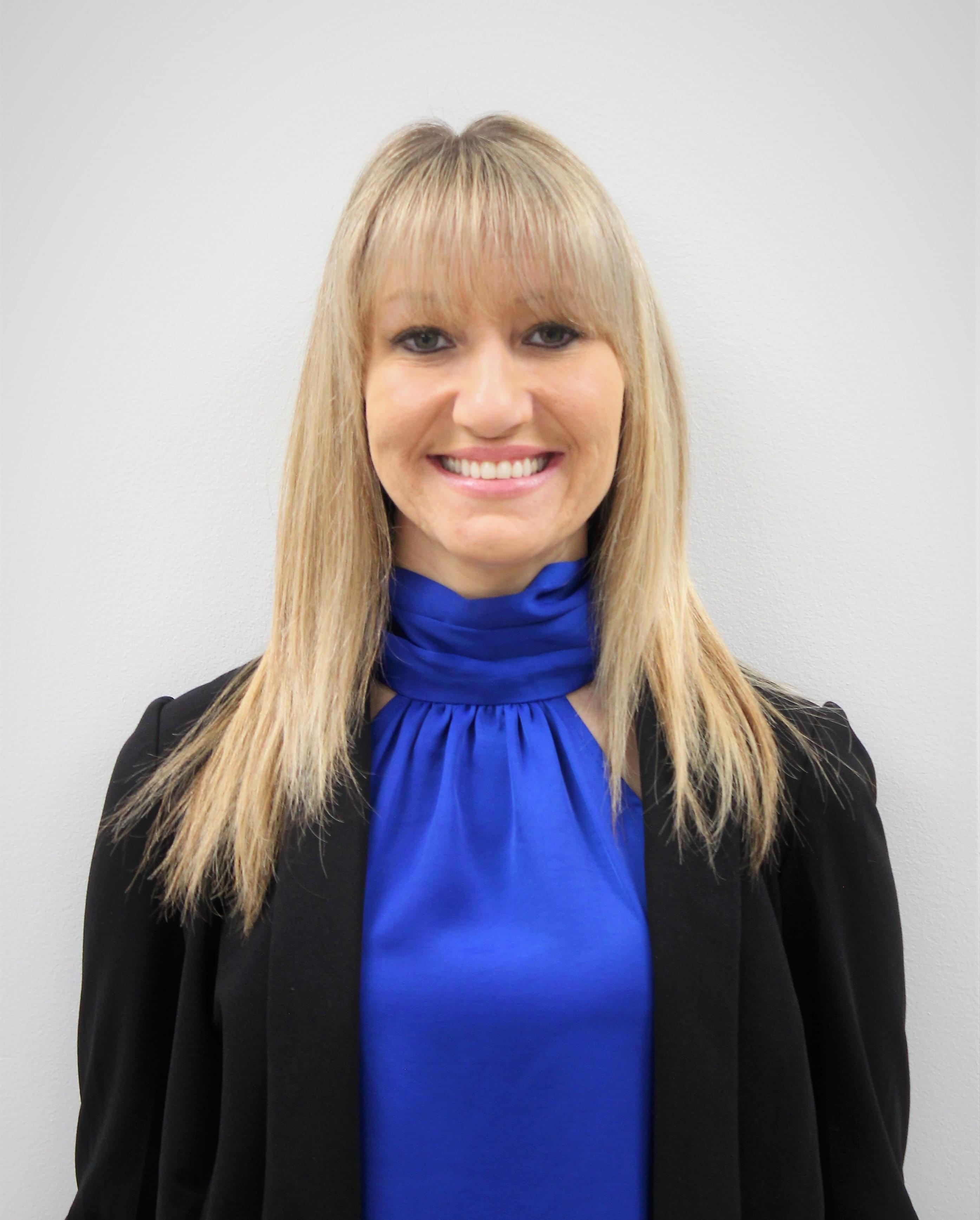
April VisscherOffice Manager

Madison Truillo
Audiology Assistant




Our Location
3275 Cooley Court Ste 160
Portage, MI 49024

- Dedicated Parking
-
Easy Access From US-131
-
Same Great Staff
-
Extended Provider Hours
-
Expanded Treatment Services
CUSTOM JAVASCRIPT / HTML
Contact Us
Hearing Specialists Of Kalamazoo
Phone: (269) 366-4445
Fax: 269-216-4106
3275 Cooley Court Ste. 160 Portage, MI 49024
9:00am - 5:00pm
info@kalamazoohearing.com
CUSTOM JAVASCRIPT / HTML